5 Things You Must Know of Hotel Interior Designing
Hotel interior designing is a work of specific skill and professionalism. With a broad spectrum of tastes to cater to (from leisure visitors to business professionals), it is imperative to understand the functionality your hotel will serve and develop a holistic design accordingly. This is where Suhalaya Infra Solutions comes into the picture.
As one of the leading interior designers in Bengaluru, we can help you conceptualize and execute a design that incorporates the best of both worlds- functional and aesthetic.
Below is a brief yet insightful description of the world of hotel interior designing. Let us get started!
Build the design around a well-defined ‘concept’
Make the ‘first impression’ count
There is a reason that Suhalaya Infra Solutions has made a name for itself among the top interior designers in Bengaluru. We help our clients work on creating lasting first impressions to increase the hotel footfall and eventually drive profits for the business.
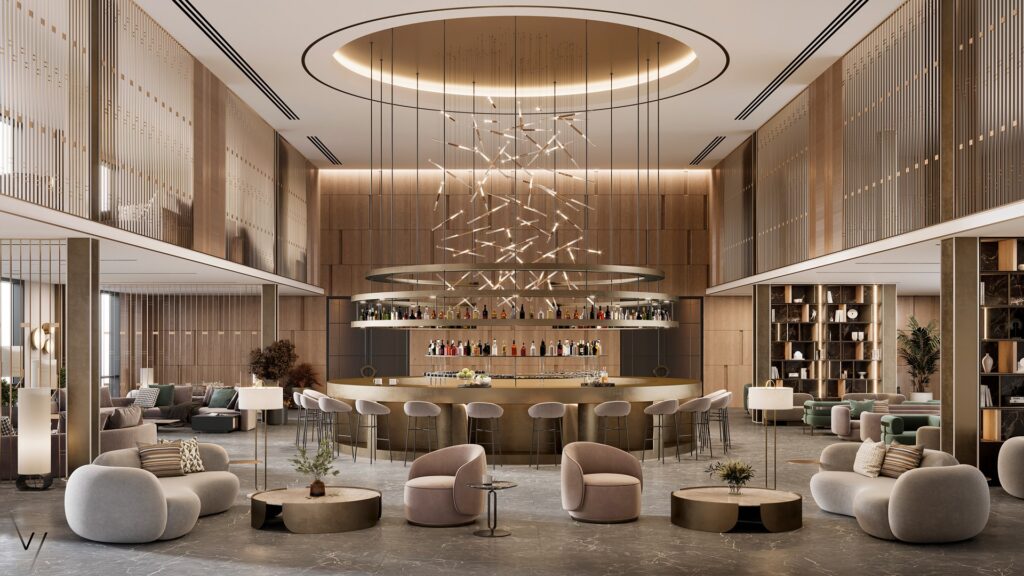
The starting point of the design is the lobby or reception area. This is the first point where an incoming visitor would glimpse the hotel’s personality.
For an inspiring design, focus on a layout with ample room for waiting areas, check-in desks, vending machines, washrooms, etc.
Sanitizing stations should be easily accessible to ensure the safety of all. The colours and lighting will be per the concept finalized in the previous step.
For example, a spa and meditation hotel will have a lobby area with natural elements.
Reed diffusers to liven up the air, calm music in the background, and soft and subtle natural colours on the walls will create a captivating experience for your esteemed guests.
It is crucial to conduct time and motion studies to create passages that allow enough room for all staff and guests to walk around freely. The idea is to avoid overcrowding and maintain the required sophistication and elegance.
Capturing the attention of patrons at very first glance is the perfect recipe for success!
Create hotel rooms that are functional yet minimalistic
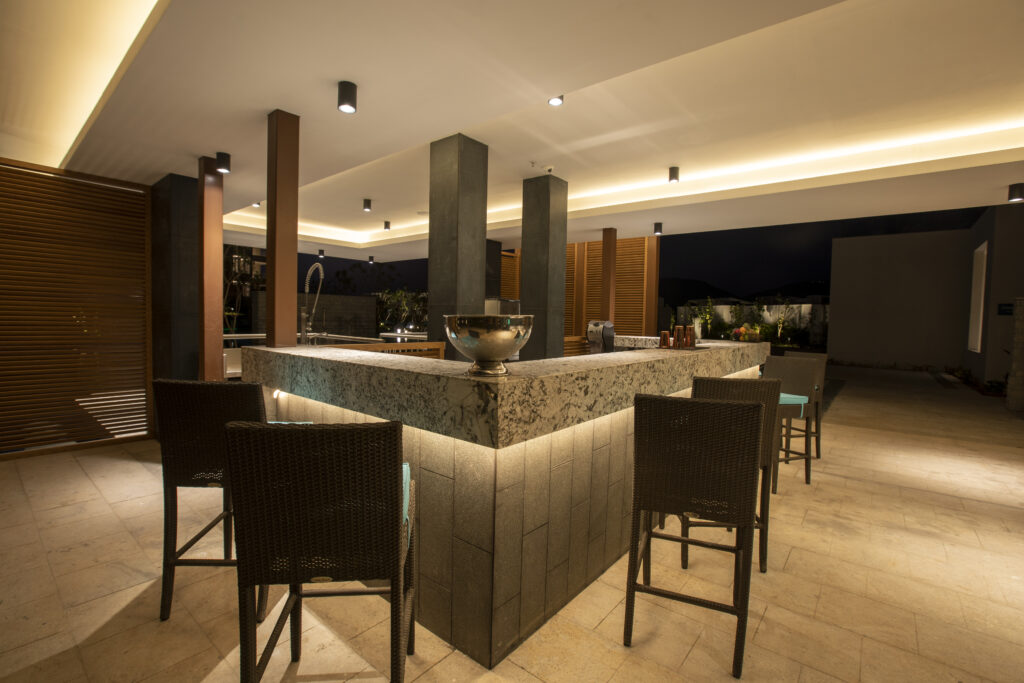
Hotel rooms form the core of any hotel interior design project. The guiding force here is that a hotel room should offer every functionality that a guest needs and (or) can think of.
Make sure the rooms have the following (besides a cozy bed and mattress)- a mini refrigerator, a comfortable working desk with a chair, an iron stand, a small couch (if possible), and a dresser.
Also, it is vital to remember that a hotel room is meant for relaxation. So do not go overboard with the aesthetics.
Instead, opt for a minimalistic design that is devoid of any clutter. ‘Less is more’ when it comes to designing hotel rooms.
Design ‘versatile’ eating spaces
It is a well-known fact that the eating spaces in a hotel are meant to serve meals as varied as an early morning breakfast to a fancy supper or dinner.
To make the best use of available area and monetary resources, focus on creating eating areas that can serve all types of meals- breakfast, midday meals or lunch, evening tea, and dinner. This will save you a lot of time and money.
As mentioned, hotel rooms do not have much room for experimentation regarding design. But the eating spaces in your hotel are where you can create a specific theme and build upon it.
For example, if your restaurant primarily serves Mediterranean cuisine, you could choose larger-than-life seating arrangements and an elegant vibe.
Choose modern yet subtle colours, and liven things up with vintage accent lights.
This theme must be complementary to the central ‘concept’ we emphasized as the first step in hotel interior design.
Do not forget add-ons
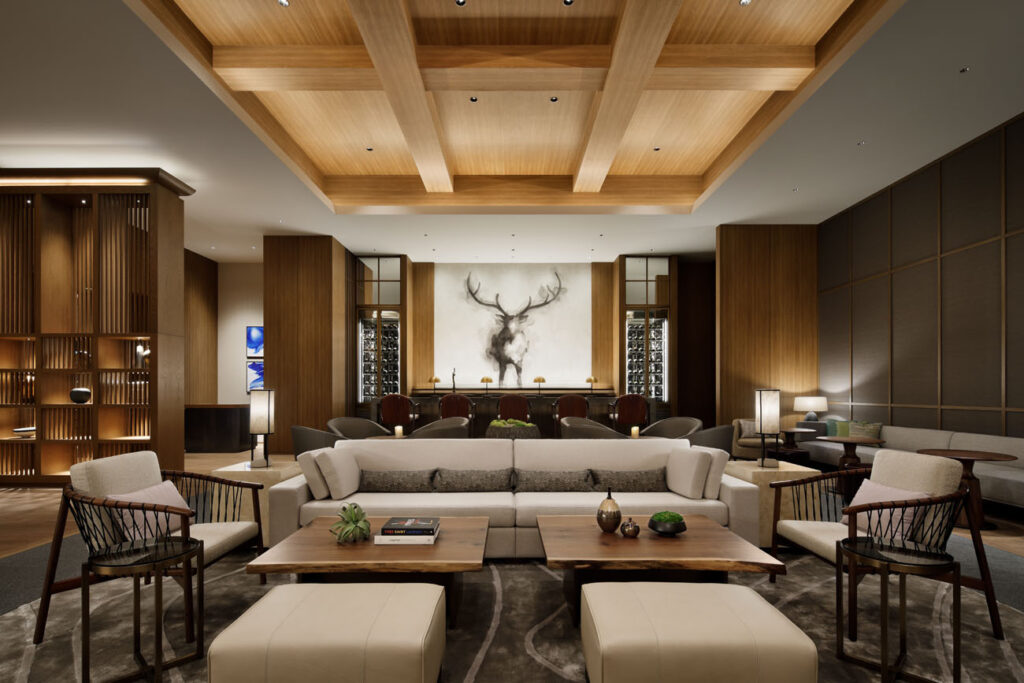
Based on your budget and time constraints, do have value additions in your hotel (where possible) for the guests to enjoy. Lounge areas, bars, and gymnasiums are examples of such add-ons. They can be a great place to socialize, unwind, and refresh. The ‘concept’ will again be the key here.
Besides the above-mentioned individual design considerations, a few more critical areas should be considered when working on hotel interior designing.
A hotel is a round-the-clock facility where guests can check in at any hour. To make it a smooth experience for them, incorporate a combination of natural lighting and artificial lighting (equipped with intensity controls). This will create a congenial atmosphere, no matter what time of day.
So if you want to create a warm and inviting interior design for your hotel, your search for the best ends with Suhalaya Infra Solutions. With our highly skilled team, we guarantee you an experience that is right on the money, free of any stress or hassle. Call now to book your consultation!